

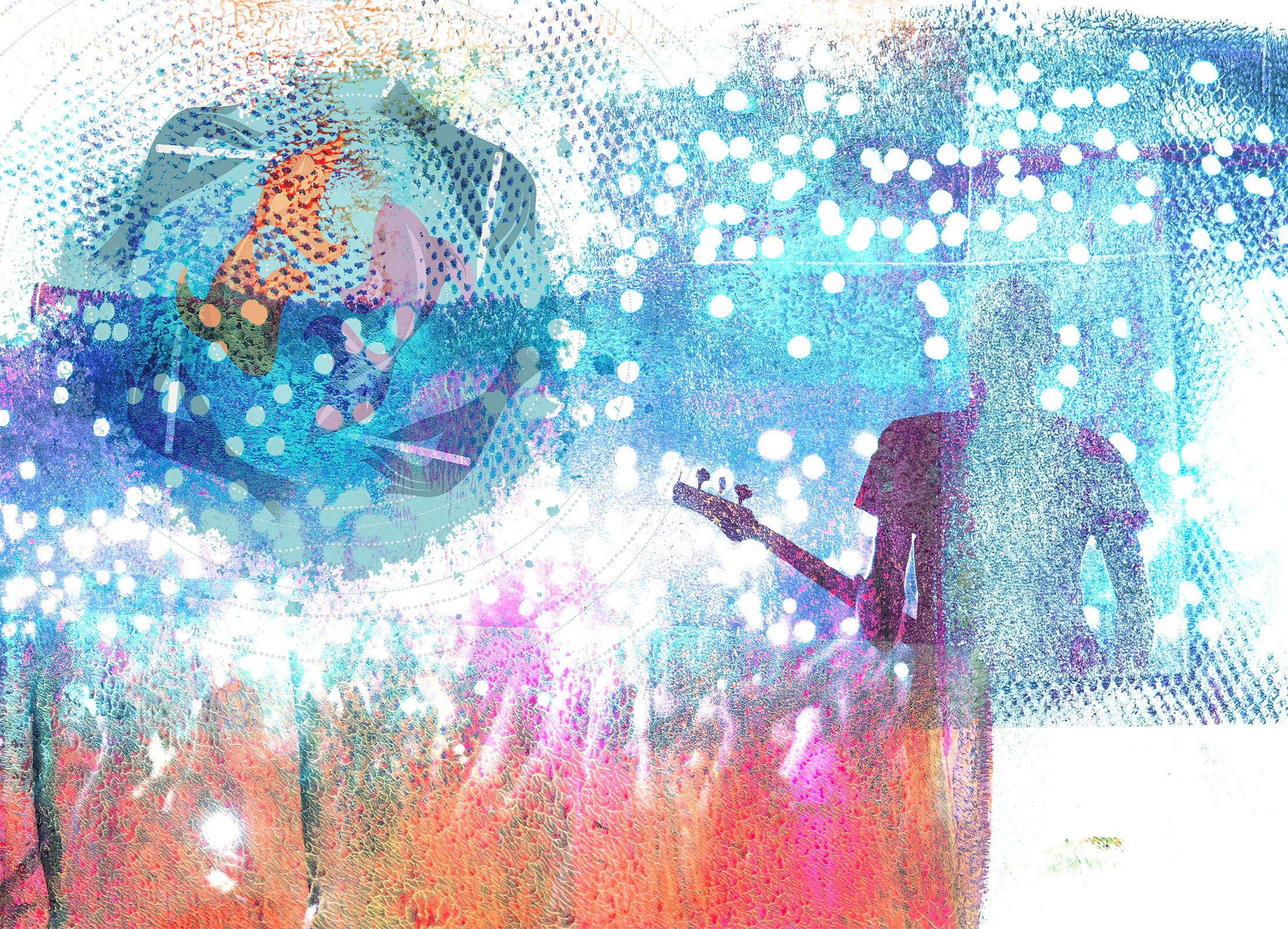
How all types of imagery build recognition, consistency, and trust across every brand touchpoint.
A picture may be worth a thousand words, but the wrong picture can tell the wrong story.
Imagery is one of the most expressive elements of a brand’s visual identity. It communicates personality, creates emotional connections, and helps audiences recognize a company before they even read the message.
Strong brand imagery guidelines help ensure that photography, illustration, icons, and video work together to create a recognizable visual language. At Del Co Design Lab, finding or creating the right imagery is an essential part of our design process. Whether we’re developing a white paper, e-book, infographic, presentation, or digital campaign, every visual needs to support the content while remaining unmistakably on brand.
In this Lab Notes post, we’re exploring how photography, illustration, icons, and video work together to create a consistent visual language — and why choosing the right approach requires more than finding an attractive image.
The building blocks of brand imagery
Different types of imagery serve different purposes, and most brands rely on a combination of four primary approaches. However, the challenge is deciding which approach communicates the message most effectively.
Photography

Photography creates authenticity, emotion, and human connection. A brand’s photographic style may be defined by subject matter, lighting, composition, perspective, and color.
Illustration
Illustrations allow brands to communicate ideas that photography cannot easily capture. From conceptual illustrations to custom vector artwork, illustration can simplify complex subjects and create a visual world unique to a brand.
Video
Videos bring imagery to life through motion and storytelling. Product demonstrations, brand films, social media content, and animations should follow the same visual principles that define the brand’s other communications.
Icons

Icons communicate information quickly through simplified symbols. Consistent line weights, proportions, shapes, and colors help organize information across diagrams, infographics, and digital interfaces.
Photography or illustration? Choosing the right approach
Sometimes photography is the strongest way to tell a story. Other times, illustration offers more creative freedom. Each approach has unique advantages depending on the message, audience, and brand personality.
Photography allows designers to:
- Help establish trust by showing real people, products, and places.
- Create emotional connections through genuine expressions, interactions, and experiences.
- Communicate a brand’s personality through lighting, composition, perspective, and color.
For example, it’s particularly effective when authenticity and human connection are central to the message.
Illustration allows designers to:
- Create visual stories tailored to specific content.
- Express abstract ideas that are difficult to photograph.
- Simplify complex processes, technologies, and information.
Both approaches require thoughtful art direction. The goal isn’t to choose one approach exclusively. It’s to build an imagery system that gives designers the flexibility to communicate different ideas while maintaining a recognizable brand identity.
Brand imagery in practice: Two client examples
Cognizant: Bringing complex ideas to life
For a global technology company like Cognizant, imagery plays an important role in making complex concepts more accessible and engaging.

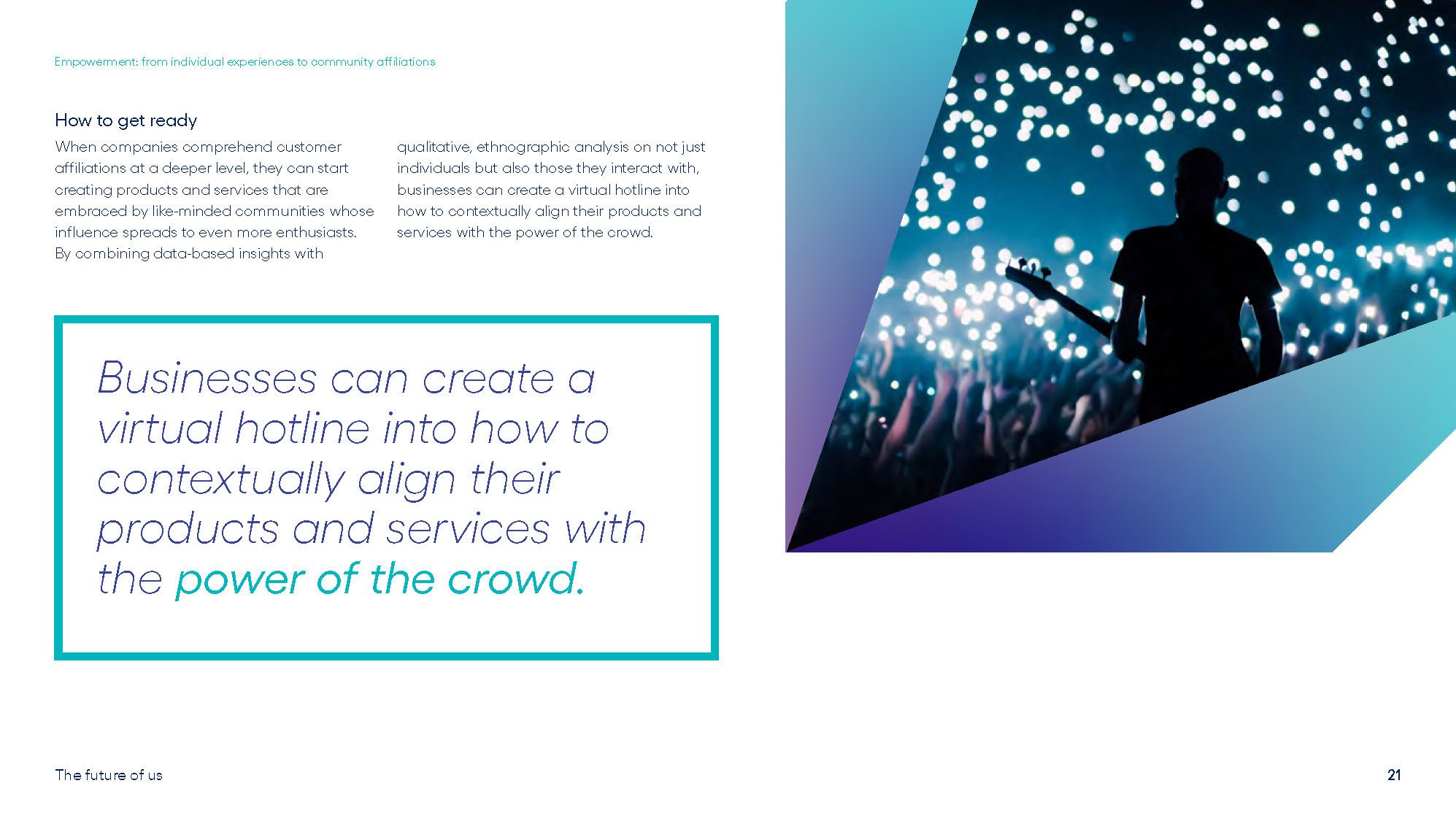
Throughout our work on Cognizant’s thought leadership materials, we’ve used photography, custom illustrations, infographics, and abstract graphic elements to communicate topics ranging from digital transformation to sustainability and the future of work.
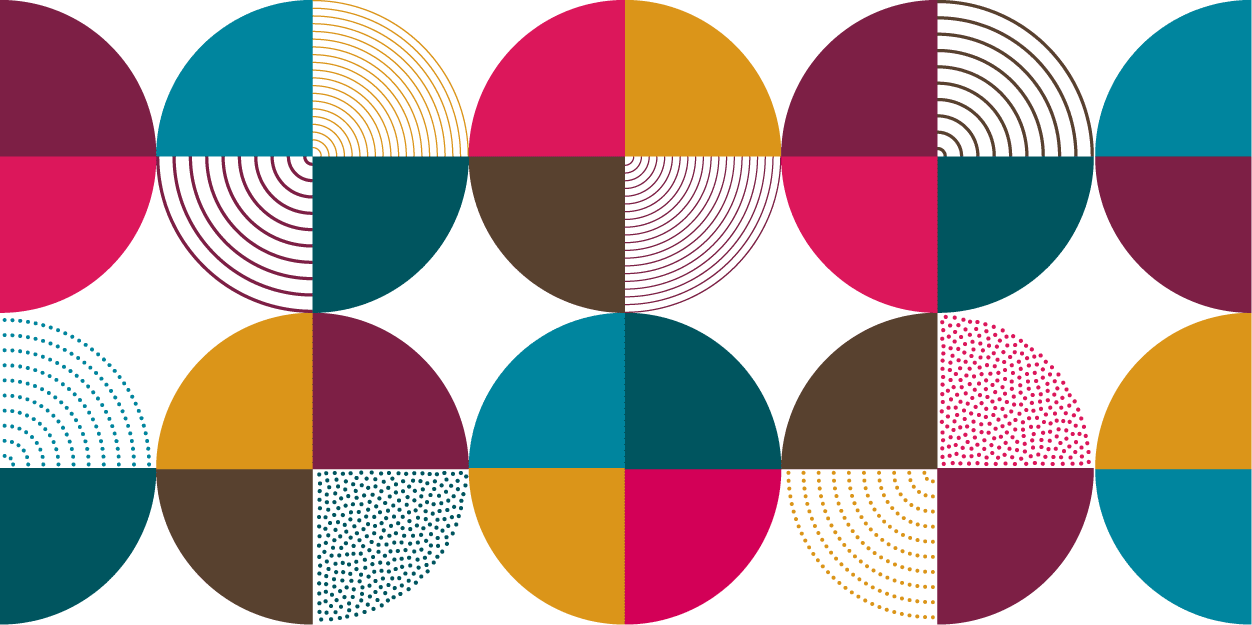
Cognizant’s brand system provides a consistent visual framework through its color palette, geometric shapes, typography, and imagery guidelines. As a result, the creative approach can change depending on the subject while maintaining a recognizable brand identity.
The intentional use of imagery makes the content easier to understand.
Oracle: Humanizing technology through illustration
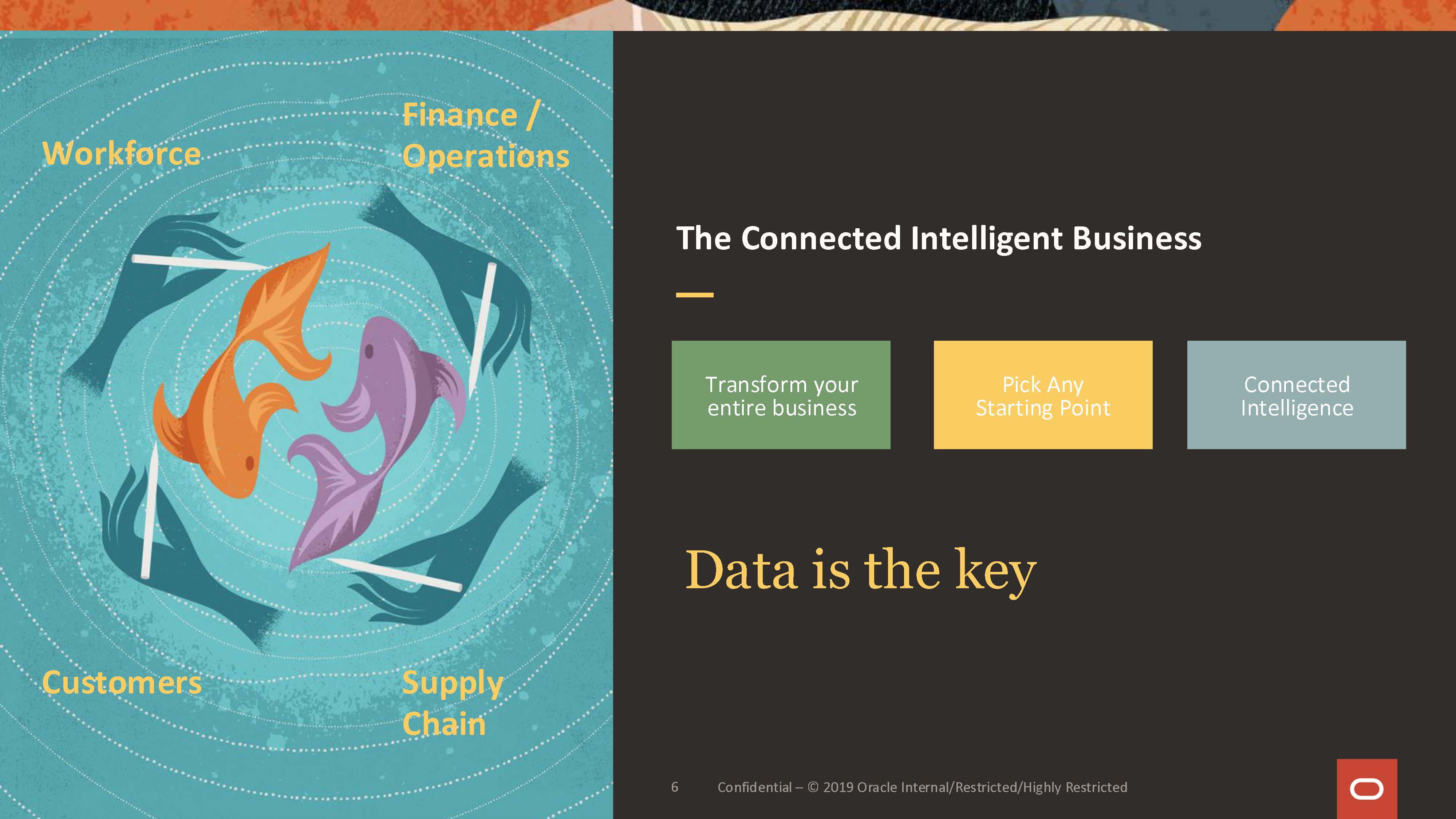
Oracle provides a compelling example of how illustration and graphic patterns can make highly technical subjects feel more approachable.

The company’s Redwood visual direction introduced a warmer, more expressive aesthetic through conceptual illustrations, organic shapes, layered textures, and patterned backgrounds.
What I particularly appreciate is how these elements bring personality to subjects that might otherwise be difficult to visualize. In addition, abstract patterns and data-inspired textures can suggest complexity, connectivity, and movement without relying on predictable technology imagery.
Its evolving visual identity remains an interesting example of how illustration can help a technology brand communicate with greater warmth and personality.
Brand imagery guidelines in practice
Some of the most useful examples of brand imagery come from organizations that provide detailed guidance about how their visuals should be created and used.
University of illinois chicago: Photography that feels authentic
The University of Illinois Chicago’s photography guidelines demonstrate how a brand can establish a consistent photographic style without making every image look identical.
UIC emphasizes authentic people, real environments, natural moments, and thoughtful composition. Its guidelines address everything from close-up portraits and environmental photography to lighting, posing, and inclusive representation.

What makes this example particularly valuable is its attention to what an image communicates, not simply how it looks.
Photography that feels overly staged or artificial can undermine credibility. In contrast, images that capture genuine moments help audiences connect with the organization.

For any brand, these principles offer a useful reminder: authenticity is a creative decision.
commercetools: Illustration and icons with purpose
The commercetools brand guidelines are an excellent example of how a company can develop an illustration and icon system that is both distinctive and flexible.
Its illustration guidelines define several visual approaches, including flat, outlined, isometric, and glass-effect illustrations. Each style serves a purpose, helping communicate complex technology concepts in an engaging and accessible way.
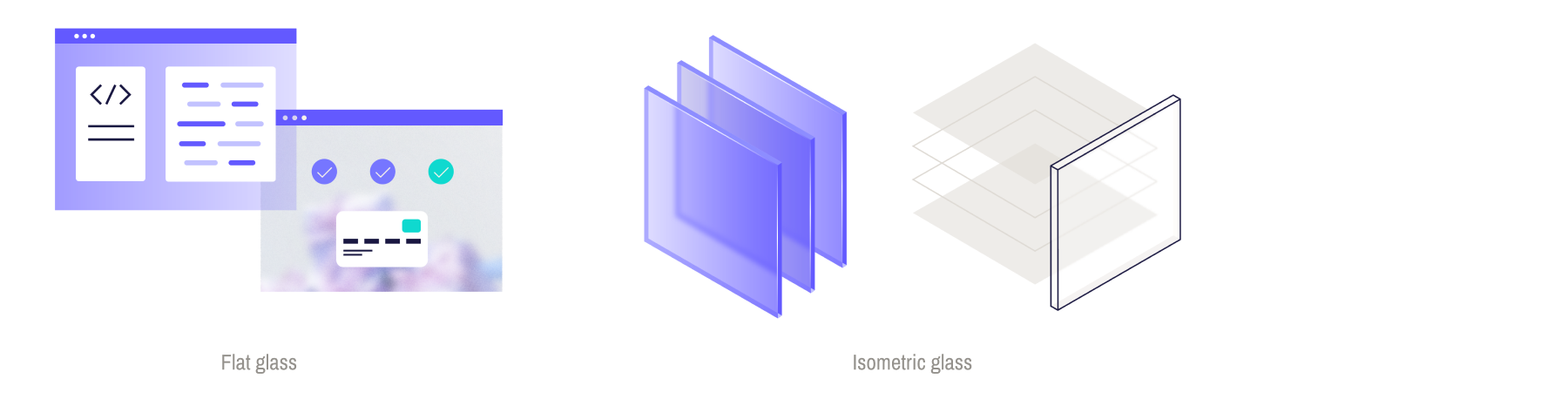
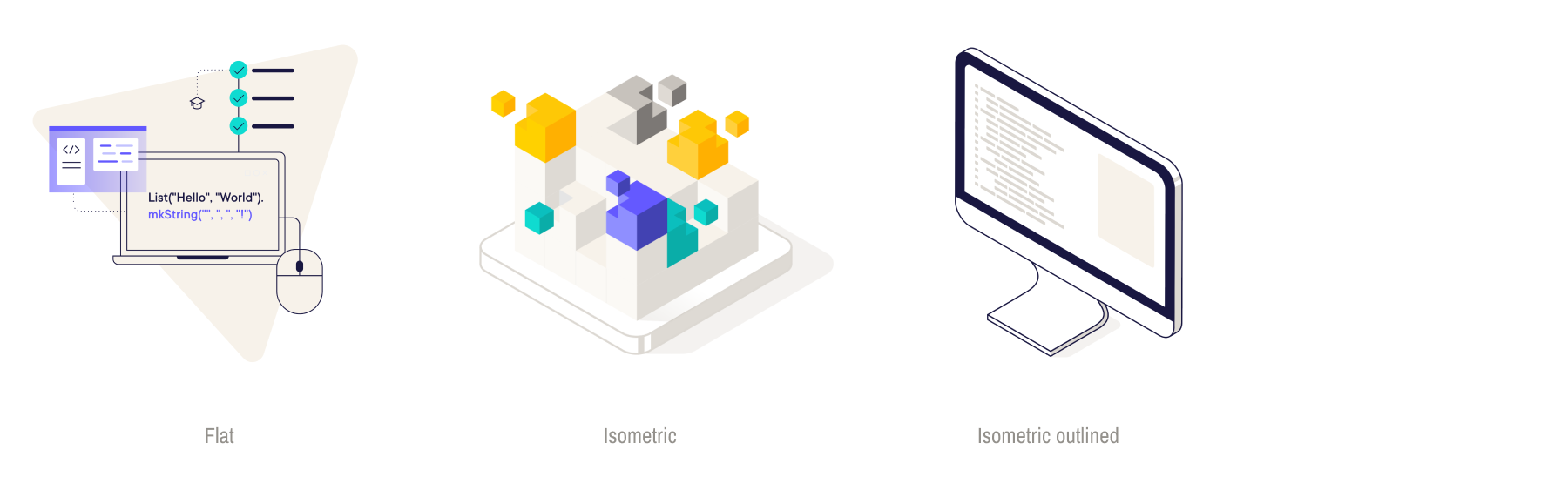
The guidelines go beyond showing examples. They specify construction details such as stroke weights, colors, supporting shapes, and backgrounds.
Furthermore, its icon system is equally detailed, with rules for sizing, proportions, line weights, colors, and approved variations.
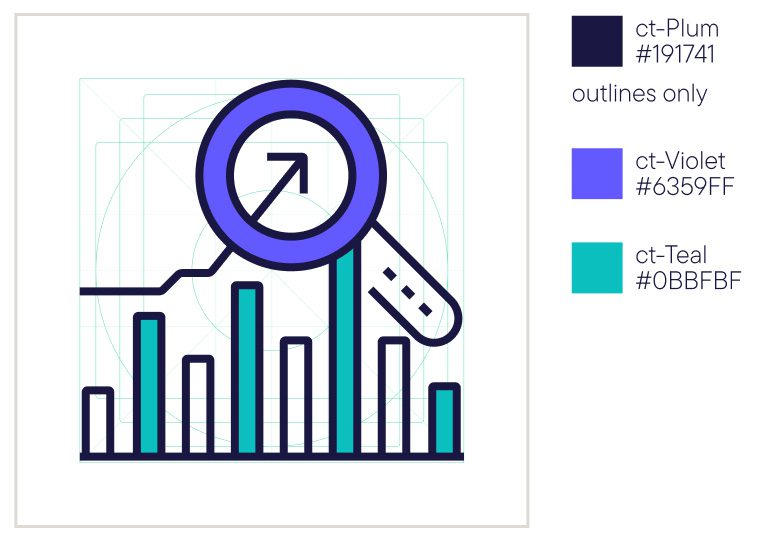
For designers creating new illustrations or icons, this level of guidance is invaluable. It allows a visual system to evolve across marketing materials while maintaining a consistent brand identity.
Finding or creating the right imagery
Even with established brand guidelines, sourcing the right imagery can be challenging. Designers have several options depending on the project’s budget, timeline, and creative requirements.
Free stock photography:
Resources such as Pexels and Unsplash offer extensive collections of photography for projects with limited budgets. However, free doesn’t necessarily mean unrestricted, so licensing and permissions should always be reviewed.

Source: Pexels

Source: Unsplash
Commercial stock photography and illustration:
Adobe Stock and Getty Images provide professional photography, illustrations, vectors, and video with licensing options for commercial projects. Royalty-free generally means an image may be reused within the terms of its license, not that it is free of charge.

Source: Adobe

Source: Gettyimages
Custom photography and illustration:
Sometimes the right image simply doesn’t exist in a stock library. A professional photo shoot or commissioned illustration gives the creative team greater control over composition, subject matter, color, and style. Custom imagery can also create distinctive assets that become a lasting part of the brand.
Getty has a custom content option where they can tap into 340,000+ creators to help develop exclusive content.

Source: Gettyimages
A fellow Carlsbad Chamber of Commerce member, Prestige Visual Studios, specializes in brand photography.

Source: Prestige Visual Studio
AI-assisted imagery:
Generative AI introduces additional options for concept exploration, image enhancements, and visual production. However, AI-generated assets still require careful attention to accuracy, authenticity, intellectual property, and brand consistency. At Del Co Design Lab, we believe creative direction and human judgment remain essential, regardless of the tools used to produce the final artwork.
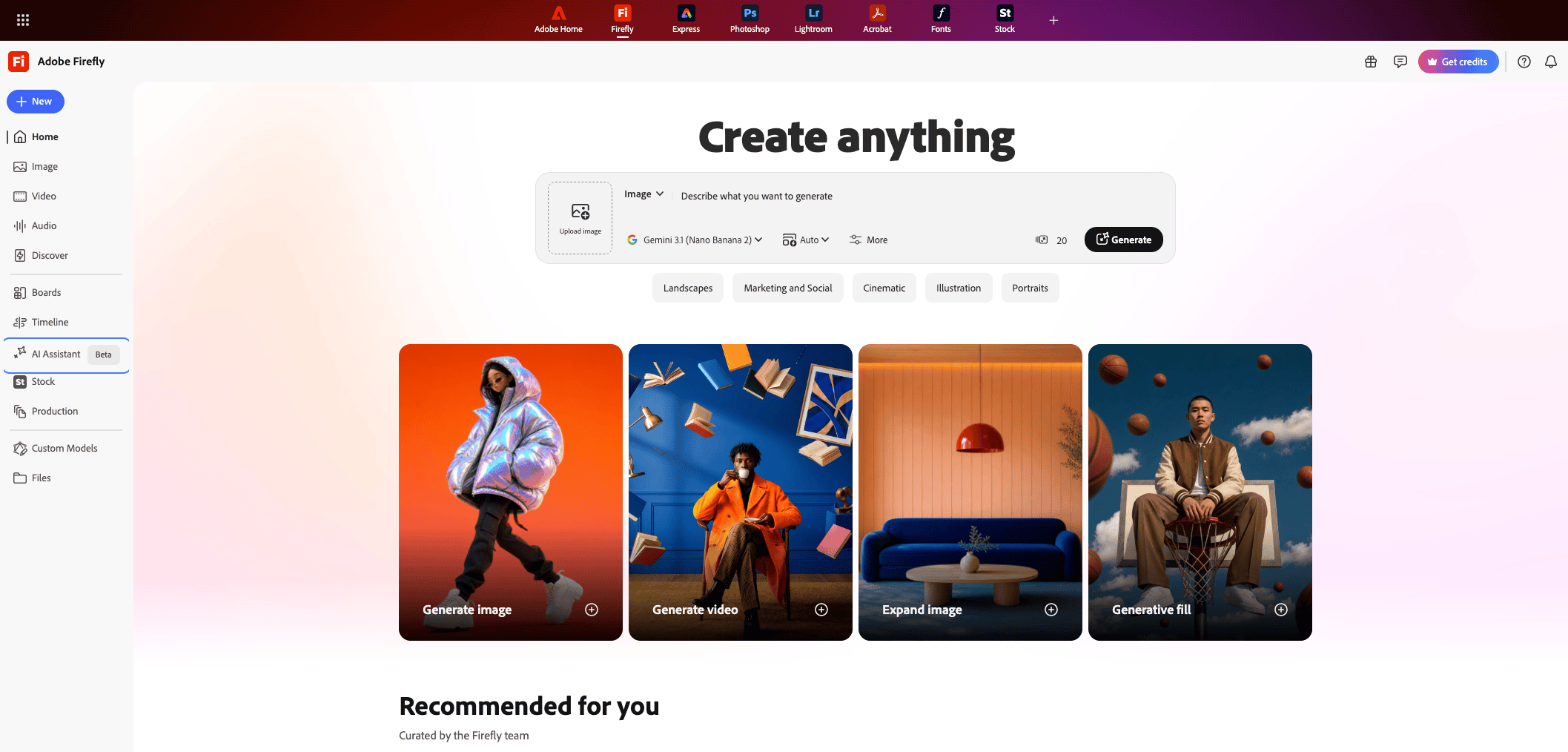
Adobe Firefly has an exceptional AI model to generate, expand, generative fill and much more. We’ll explore Firefly in more detail in another blog post.
Shutterstock has several AI tools generate images and videos. You can open Shutterstock right within ChatGPT and Claude to help you search for images that work with your campaigns.
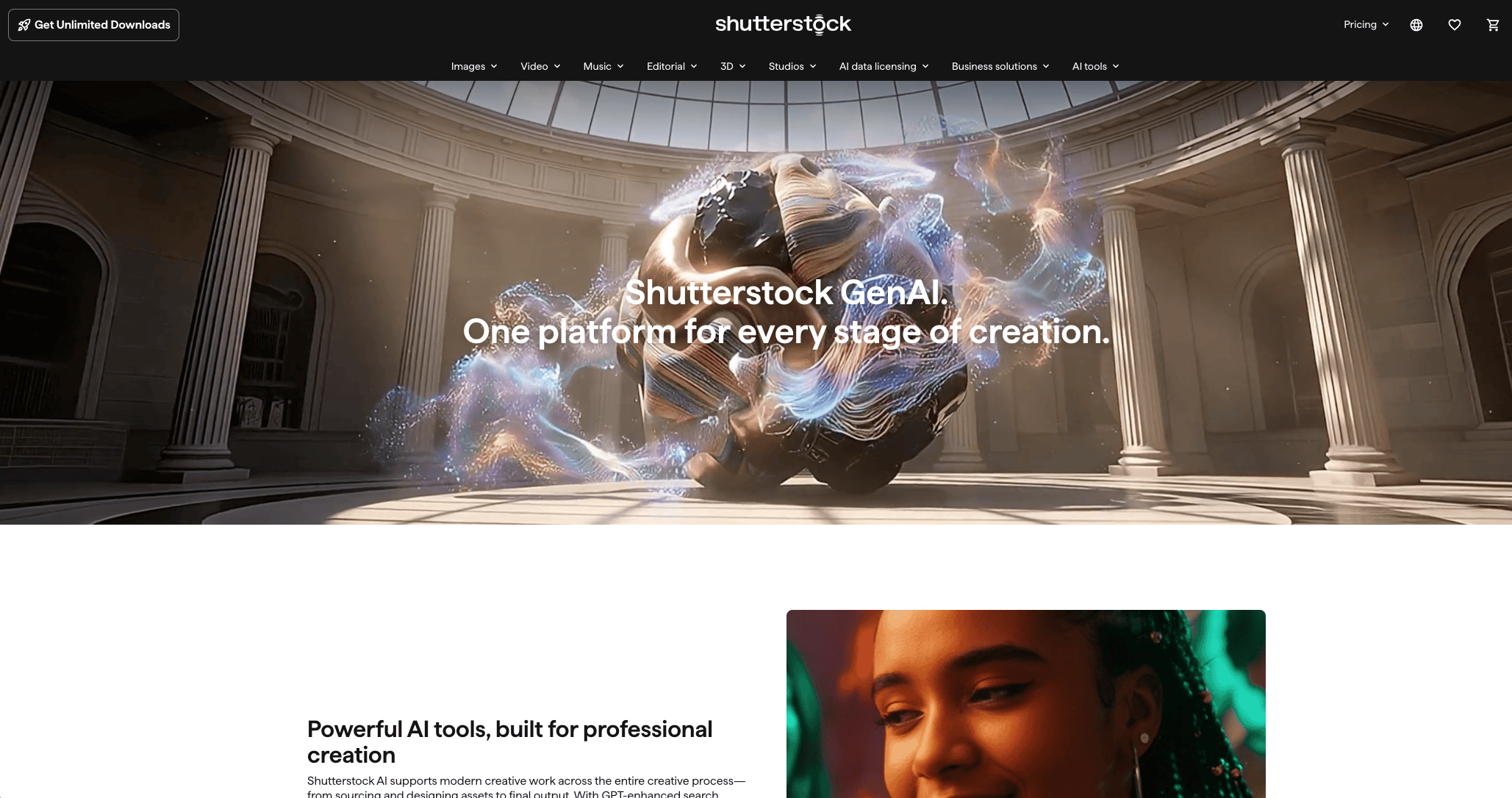
How brand imagery guidelines keep visuals consistent
Strong brand imagery guidelines go beyond showing a few approved examples. They establish principles that help designers make consistent decisions across every project. These may include preferred photographic subjects, composition, lighting, color treatments, illustration styles, icon construction, and technical requirements.
For brands that rely heavily on illustration, guidelines should also explain how new artwork can be developed without introducing visual inconsistencies. A library of approved images, illustrations, and icons saves production time and helps ensure that materials created by different designers, agencies, and internal teams still look and feel connected.
Well-defined brand imagery guidelines give creative teams the freedom to explore new visual approaches while keeping every piece of communication recognizable, consistent, and aligned with the brand.
That’s what makes a brand imagery system effective: the ability to evolve creatively without losing recognition.
Designer’s Takeaway
The right image does more than fill space. It helps tell the story. Photography brings authenticity. Illustration gives ideas a unique visual expression. Icons simplify information. Video adds movement and emotion.
Helpful brand imagery resources
Whether you’re searching for the perfect photograph, building an illustration, or adding motion to your content, these resources are worth exploring.
Orion Icon Library
A versatile collection of customizable vector icons available in line, solid, color, and flat styles. Its consistent design system and adjustable stroke weights make it especially useful for infographics, presentations, and digital interfaces.
Blush: Customizable Illustrations
A creative library of illustrations by independent artists that can be mixed, matched, and customized. It’s a helpful resource for building expressive, people-focused visuals for websites, presentations, and marketing materials.
Envato Elements: Stock Video and Creative Assets
A subscription-based resource offering stock footage, video templates, motion graphics, music, and other creative assets. Particularly useful for producing engaging social media content, promotional videos, and animated presentations.
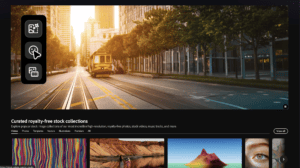
Adobe Stock and Adobe Firefly
A comprehensive source for professional photography, illustrations, vectors, and video. Pair it with Adobe Firefly to explore AI-assisted image generation, editing, and creative enhancements. Together, these tools provide options for finding existing imagery and developing customized visuals.
Bringing brand imagery together
At Del Co Design Lab, we help clients find, develop, and refine imagery that works within their established brand systems. From white papers and e-books to infographics, presentations, social campaigns, and event materials, our goal is to make every visual feel intentional, engaging, and unmistakably on brand.
Need help creating more consistent imagery across your marketing materials? Explore our Portfolio to see how we translate complex ideas into purposeful visual communication.
Next in Lab Notes, we’ll explore layout and composition — where color, typography, logos, and imagery come together to create a cohesive brand experience.






 Simply Styled Sites